 Packaging & Shipping
 Limestone
 Tiles
TilesLimestone remains a preferred architectural material because it delivers a calm, premium visual language with broad design compatibility. It is used extensively in modern facades, flooring, feature walls, and hospitality environments where subtle texture and tonal consistency are essential.
Mineralogically, limestone is composed primarily of calcium carbonate (calcite/aragonite). Typical limestone hardness is in the Mohs 2-4 range, density can vary approximately from 1.5 to 2.7 g/cm3 depending on porosity, and dense grades can exhibit very high compressive strength in engineered applications.
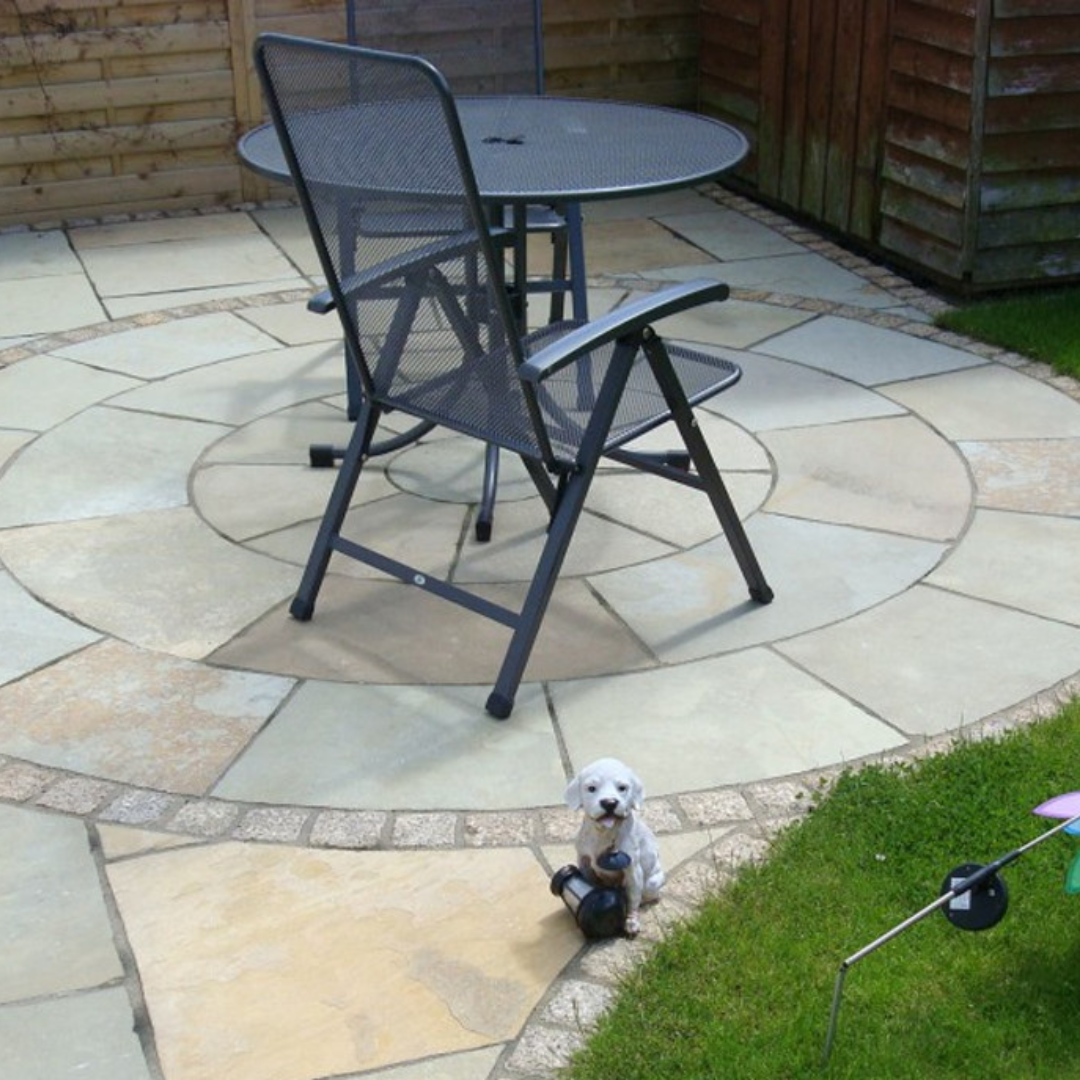
Why Limestone Is Strong in Modern Design Programs
Minimal Aesthetic
Soft tonal variation supports contemporary and luxury-neutral interiors.
Material Continuity
Works across floors, walls, and facades for coherent architectural language.
Processing Flexibility
Supports multiple finish options and project-specific module requirements.
Strong Heritage + Modernity
Historically proven material that remains relevant in present-day design.
Value Over Lifecycle
With proper care, limestone ages with character and sustains visual value.
Specification Friendly
Ideal for projects requiring clear finish, tolerance, and maintenance planning.
Technical Snapshot
| Parameter | Guidance |
|---|---|
| Core Composition | Mainly calcium carbonate (calcite/aragonite) |
| Typical Hardness | Approx. Mohs 2-4 depending on grade |
| Typical Density Range | Approx. 1.5-2.7 g/cm3, influenced by porosity |
| Visual Profile | Subtle movement, low-noise texture, contemporary compatibility |
| Best Practice | Select finish and seal strategy by use zone and maintenance expectation |
Application Matrix
| Use Zone | Recommended Finish Direction | Primary Focus |
|---|---|---|
| Interior flooring | Honed or fine-matte | Refined look with easy daily care |
| Exterior cladding | Textured / dressed | Weather response and facade depth |
| Bathrooms and wet zones | Texture-aware, lower sheen | Slip and moisture behavior management |
| Hospitality/public spaces | Calibrated modules + robust seal plan | Durability and maintenance efficiency |
| Accent walls | Dressed or split aesthetic as design intent | Material identity and focal impact |
Finish Strategy Notes
- Use honed finishes for calmer, modern interior programs.
- Use textured profiles for higher moisture or outdoor applications.
- Confirm sample board under project lighting before final approval.
- Account for natural variation as a feature, not a defect.
Maintenance Framework
- Use pH-neutral cleaners only; avoid acidic chemicals.
- Define sealing cycle by traffic and exposure intensity.
- Specify stain-response protocol for hospitality/commercial projects.
- Train site and facility teams on stone-safe cleaning practices.
Frequently Asked Questions
Yes. Limestone is widely used in modern architecture because of its refined visual profile and broad compatibility with wood, metal, and glass palettes.
Yes, provided correct grade, finish, and installation methods are chosen for climate and exposure conditions.
Limestone is carbonate based and can etch when exposed to acidic chemicals. Always use stone-safe neutral cleaners.
Limestone generally presents a softer, more natural aesthetic and is often selected for matte architectural programs with controlled maintenance planning.
Confirm finish, tolerance, module sizing, grade suitability, and packaging/handling strategy for installation workflow.
With appropriate detailing and maintenance, limestone delivers durable performance and strong visual value over long service periods.
Need Limestone Selection Support for a Live Project?
Our team can help map finish, specification, tolerance, and maintenance direction for interior, exterior, and mixed-use requirements.
Quick Product Summary
| Category | Summary |
|---|---|
| Material Type | Natural Limestone (calcium carbonate based) |
| Typical Hardness | Approx. Mohs 2-4 (grade dependent) |
| Typical Use Zones | Flooring, walls, facades, bathrooms, feature architecture |
| Finish Planning | Honed for interior calm; textured for higher exposure zones |
| Maintenance Priority | Neutral cleaners, defined sealing schedule, trained care routines |