 Packaging & Shipping
 Tiles
Tiles Natural Stones
Surface selection is one of the highest-impact decisions in any architectural or interior project. It controls visual tone, tactile quality, maintenance effort, and long-term performance under real operating conditions.
The best projects treat surface materials as a technical system, not a visual afterthought. Texture, porosity, hardness, finish, edge profile, and installation method must all align with traffic level, moisture exposure, and cleaning protocols.
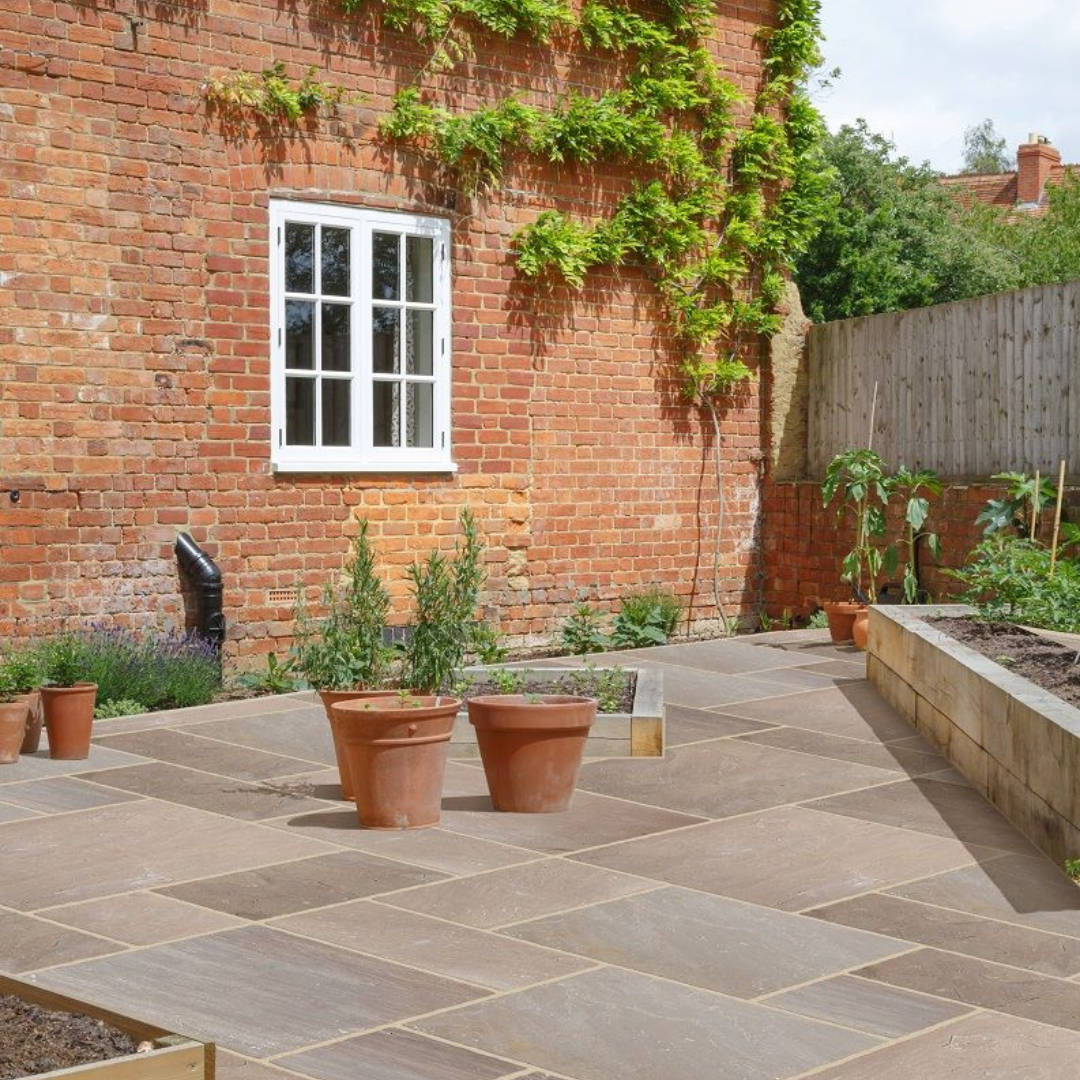
Six Decision Filters for Better Surface Selection
Use-Zone Priority
Define whether the surface is decorative, functional, or both before evaluating products.
Exposure Conditions
Map moisture, UV, thermal swings, and chemical contact risks by area.
Traffic Intensity
Align hardness and finish with expected footfall and movement patterns.
Slip and Safety
For wet/public areas, choose textures and layouts that improve safe daily use.
Maintenance Model
Selection should match realistic cleaning capability and lifecycle budget.
Aesthetic Continuity
Coordinate floor, wall, and facade surfaces for coherent spatial identity.
Surface Planning Matrix
| Project Zone | Primary Requirement | Surface Direction |
|---|---|---|
| Lobby and public interiors | Premium appearance + manageable upkeep | Low-gloss refined finishes with controlled patterning |
| Wet areas (bath/spa/pool adjacencies) | Grip behavior + moisture resilience | Texture-aware finishes and water-safe detailing |
| External terraces and pathways | Weathering stability + traction | Textured natural stone profiles with drainage planning |
| Feature walls | Depth and visual identity | Cladding textures with balanced light-shadow play |
| Hospitality/commercial floors | Durability + serviceability | High-tolerance modules and maintenance-friendly surfaces |
Aesthetic Control Guidelines
- Use matte-to-low sheen finishes to reduce visual noise in large spaces.
- Test color and texture under actual site lighting before lock-in.
- Blend batches during installation to distribute natural variation evenly.
- Align grout and joint strategy with intended architectural rhythm.
Performance Control Guidelines
- Map cleaning chemistry compatibility before material finalization.
- Specify sealing cycles by zone instead of one generic policy.
- Define slip-aware finish direction for wet and transition areas.
- Include replacement/wastage allowances in procurement planning.
Reference Gallery
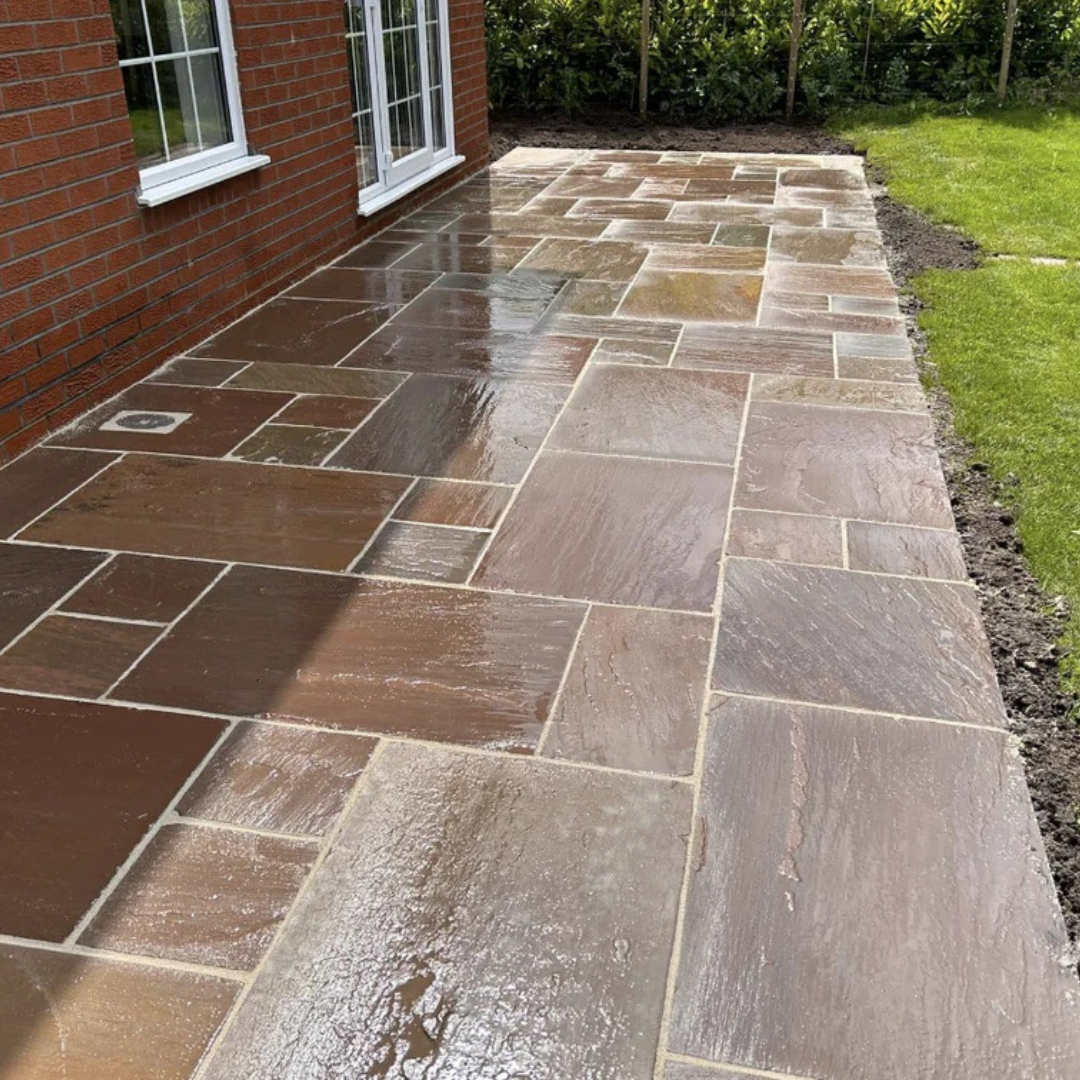
Material composition and finish interaction in modern spatial language.
Surface palette pairing for balanced aesthetics and functional planning.
Frequently Asked Questions
Define the use zone and exposure conditions first. This narrows material options before aesthetic filtering.
Use a matrix approach: evaluate each candidate by visual fit, maintenance demand, and performance under actual use conditions.
Usually no. Different zones often need different finish strategies based on traffic, moisture, and cleaning requirements.
Specify compatible cleaning systems, realistic sealing cycles, and installation practices that support easy maintenance access.
Yes. Combining them works very well when tonal hierarchy, finish transitions, and joint detailing are coordinated in design stage.
Choosing purely by appearance without checking traffic, moisture, maintenance, and installation context is the most common error.
Need a Surface Strategy for a Live Project?
Share your project type, exposure conditions, and design goals. We can help map suitable material combinations and specification direction.
Quick Surface Strategy Summary
| Framework | Recommendation |
|---|---|
| Selection Priority | Use zone + exposure + maintenance first, aesthetics second |
| Design Coordination | Align floor, wall, and facade surfaces for cohesive visual language |
| Performance Priority | Match finish and texture to traffic and moisture realities |
| Lifecycle Priority | Plan for cleaning chemistry, sealing cycles, and replacement logistics |
| Procurement Priority | Control tolerance, batch consistency, and packing quality |